By Ahvia Designs | Gauteng, South Africa | Residential & Commercial Interior Design
One of the most common questions we hear from new clients is: “I love the idea of working with an interior designer, but what actually happens?” It’s a fair question. If you’ve never worked with a design professional before, the whole process can feel a little mysterious.
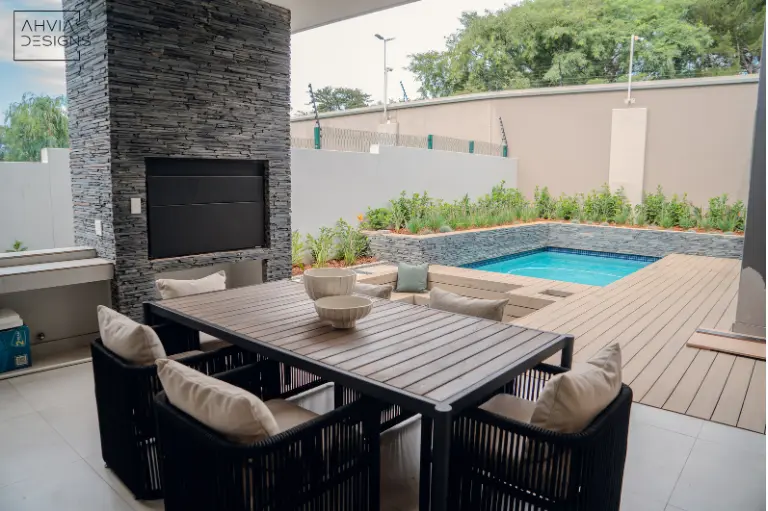
This guide breaks down the interior design process from the very first conversation to the moment you walk into your finished space, so you know exactly what to expect at every stage.
Whether you’re planning a full home renovation in Gauteng, redesigning a single room, or setting up a new office, understanding the design process helps you achieve better results, avoid costly surprises, and feel confident throughout the process.
The Interior Design Process at a Glance
Here’s a summary of every stage. We’ll unpack each one in detail below.
| Stage | What happens | Typical timeframe |
| 1. Consultation | Discovery meeting, scope definition, budget discussion | 1–2 hours |
| 2. Brief & Concept | Design brief confirmed, mood board & concept presented | 1–2 weeks |
| 3. Space Planning | Floor plans, layouts, 3D visualisations developed | 2–3 weeks |
| 4. Design Development | Materials, finishes, furniture, lighting specified | 2–4 weeks |
| 5. Procurement | Quotes sourced, orders placed, lead times confirmed | 1–4 weeks |
| 6. Implementation | Contractors briefed, construction & installation managed | 4–16 weeks (scope-dependent) |
| 7. Styling & Handover | Final styling, walkthrough, punch-list completed | 1–3 days |
Learn the difference between an interior designer and decorator:
Interior Designer vs Interior Decorator: What’s the Difference – and Which Do You Need?
Stage 1: The Interior Design Consultation – Where Every Project Begins
The interior design process always starts with a conversation. At Ahvia Designs, we call this the discovery consultation, and it’s one of the most important steps in the entire journey.
During this session, we sit down with you, in person or virtually, to understand:
- Your vision and style preferences
- How you use the space day-to-day
- Your lifestyle, household, and practical needs
- Your budget range and timeline
- Any non-negotiables or previous pain points with the space
This isn’t just about gathering information. It’s about building the foundation for a design that actually works for you. The best interior design for your home isn’t the most expensive or the most on-trend; it’s the one that fits how you live.
Client tip: Come to your consultation with reference images: Pinterest boards, Instagram saves, magazine clippings. Even images you don’t like are useful. They help your designer quickly and accurately understand your aesthetic.
At the end of the consultation, you’ll have a clear sense of the project scope, a realistic budget framework, and a proposed timeline. From here, the design work begins.
Stage 2: The Design Brief and Concept Development
With the consultation complete, your interior designer will formalise everything into a design brief, a document that defines the scope, objectives, style direction, and constraints of the project.
Next comes concept development. This is where the creative vision starts taking shape. Your designer will put together a mood board or concept presentation that captures:
- The overall aesthetic and design direction
- A colour palette and material story
- Key furniture and fixture references
- An initial sense of how the space will feel
This presentation is a creative checkpoint, not a final decision. It’s an opportunity for you to give feedback before any detailed work begins, ensuring the design is moving in the right direction.
A strong concept stage saves significant time and cost later in the interior design process. Agreeing on direction early prevents expensive revisions once procurement and construction are underway.
Stage 3: Space Planning and 3D Interior Design Visualisation
This is where the interior design process becomes tangible. Your designer moves from ideas to detailed spatial plans – floor plans, furniture layouts, and elevations that show exactly how your space will be organised.
At Ahvia Designs, we include 3D interior design visualisations as part of our process. This means you can see a photorealistic render of your finished space before a single wall is touched or a piece of furniture is ordered.
The value of 3D visualisation in the interior design process cannot be overstated:
- It eliminates guesswork. You see proportions, scale, and flow in context
- It surfaces potential problems before they become expensive mistakes
- It gives you the confidence to approve decisions with clarity
- It creates a shared visual reference for contractors and suppliers
Client tip: If your designer offers 3D visualisation, use it. Walk through the renders critically. Raise every concern at this stage. It’s far cheaper to adjust a floor plan than to move a wall.
Stage 4: Design Development – Materials, Finishes, and Specifications
Once the spatial layout is approved, the interior design process moves into detailed design development. This is where every element of the space is specified in full.
Your designer will select and present:
- Flooring materials: tiles, timber, vinyl, stone, carpet
- Wall finishes: paint, wallpaper, cladding, panelling
- Ceiling treatments and lighting design
- Cabinetry, joinery, and custom built-ins
- Bathroom and kitchen fixtures and fittings
- Furniture: both bespoke and sourced from suppliers
- Soft furnishings: curtains, blinds, rugs, cushions
- Decorative accessories and artwork
Each selection is documented in a detailed schedule, a complete reference document that your contractors and suppliers will use throughout the build. Nothing is left to chance or on-site interpretation.
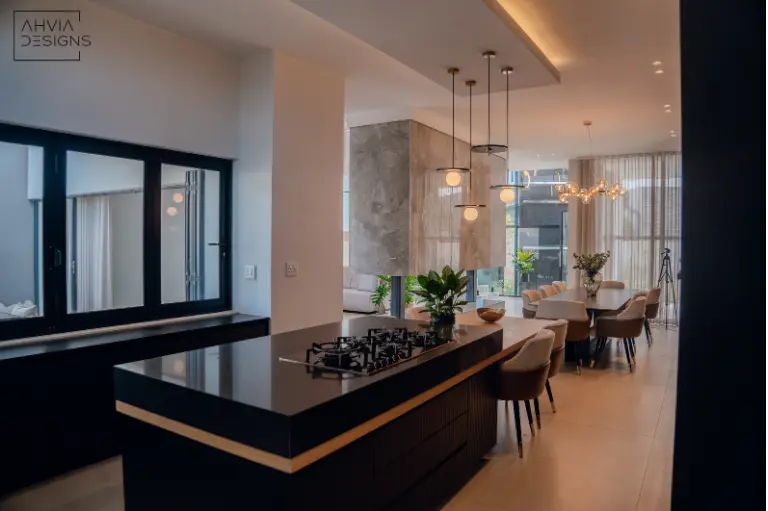
This stage is where an experienced interior design firm earns its fee. The right specification of materials, chosen for durability, scale, light response, and cohesion, is what separates a professionally designed space from a well-intentioned one.
Stage 5: Procurement – Sourcing, Ordering, and Lead Times
With specifications approved, the procurement phase of the interior design process begins. Your designer (or their project team) will:
- Obtain quotes from multiple suppliers and contractors
- Present a detailed cost breakdown for your approval
- Place orders for furniture, fittings, and materials
- Track lead times and manage delivery schedules
- Flag any substitutions or supply issues proactively
Procurement is a significant behind-the-scenes effort that clients rarely see but always benefit from. An interior design firm with established supplier relationships can access trade pricing, better lead times, and quality guarantees that aren’t available to the general public.
Client tip: Lead times for custom furniture, imported tiles, and bespoke joinery can be 8–14 weeks. Starting procurement early, before construction is complete, keeps your project on schedule.
Stage 6: Implementation – Project Management and On-Site Coordination
The implementation stage is where your interior design comes to life. Depending on the scope, this may involve:
- Demolition and preparation work
- Structural alterations and plumbing or electrical changes
- Painting, tiling, and floor installation
- Cabinetry and joinery installation
- Lighting installation and connection
- Furniture delivery and placement
A full-service interior design firm like Ahvia Designs manages this entire phase. We brief contractors, coordinate trades, conduct site visits, and resolve any on-site challenges, so you don’t have to manage the chaos of a construction project on your own.
Clear communication is central to this stage. You’ll receive regular project updates, and any decisions that need your input will be presented clearly, with options, not confusion.
For home renovation projects in Gauteng, having a single point of contact who manages both the design and the build is one of the most valuable things an interior design firm can offer. It keeps timelines on track and quality consistent from start to finish.
Stage 7: Styling, Final Walkthrough, and Handover
The final stage of the interior design process is the one most people picture first, and it’s deeply satisfying to execute. Once construction and installation are complete, your designer returns for the styling and handover.
This involves:
- Placing decorative accessories, artwork, and plants
- Dressing beds, sofas, and dining areas with soft furnishings
- Adjusting lighting levels and checking all electrical fittings
- Conducting a detailed walkthrough to ensure every item on the specification schedule is correct and complete
- Creating a punch-list of any outstanding items to be resolved
At the handover, we walk through the completed space with you, explain any care requirements for materials and finishes, and hand over all supplier warranties and documentation.
Client tip: The punch-list is your friend. If something isn’t right, a tile is chipped, a drawer doesn’t align, a curtain hem is uneven, note it. A professional interior design firm will resolve every item on that list before the project is officially closed.
How Long Does the Interior Design Process Take?
Project duration depends on the scope. Here’s a realistic guide for residential interior design projects in South Africa:
- Single room refresh (styling and decor only): 2–6 weeks
- Bathroom or kitchen redesign: 6–12 weeks
- Full residential renovation (multiple rooms): 3–6 months
- New build interior design from concept to handover: 6–12 months
- Commercial office interior design: 3–8 months (depending on fit-out complexity)
These timeframes include design development and procurement, not just construction. The design phase alone typically runs 4–8 weeks for larger projects, and that time is well spent: a thorough design phase almost always results in a smoother, faster build.
Why the Interior Design Process Matters, and What Happens When It’s Skipped
Many homeowners attempt renovations without professional design guidance, and many regret it. Common outcomes include:
- Furniture that doesn’t fit the space or blocks natural light
- Materials chosen in isolation that clash in person
- Electrical points in the wrong positions, requiring expensive repositioning
- Contractor overruns caused by unclear briefing and on-the-fly decision-making
- A finished space that looks fine but never quite feels right
A structured interior design process, with a clear brief, spatial planning, detailed specifications, and managed procurement, exists precisely to prevent these outcomes. It’s not an overhead; it’s the mechanism that transforms a renovation from stressful and uncertain into focused and deliberate.
Ready to Start Your Interior Design Process?
Whether you’re planning a bathroom redesign, a full home renovation, or a commercial office project in Gauteng, Ahvia Designs manages every stage of the interior design process, from the first consultation to final handover.
We work with clients across Johannesburg, Edenvale, and Pretoria, and we offer an initial discovery consultation to help you understand what your project requires before you commit.
Book your interior design consultation with Ahvia Designs today. Call 083 926 1669 or visit our website, and let’s build something exceptional together.